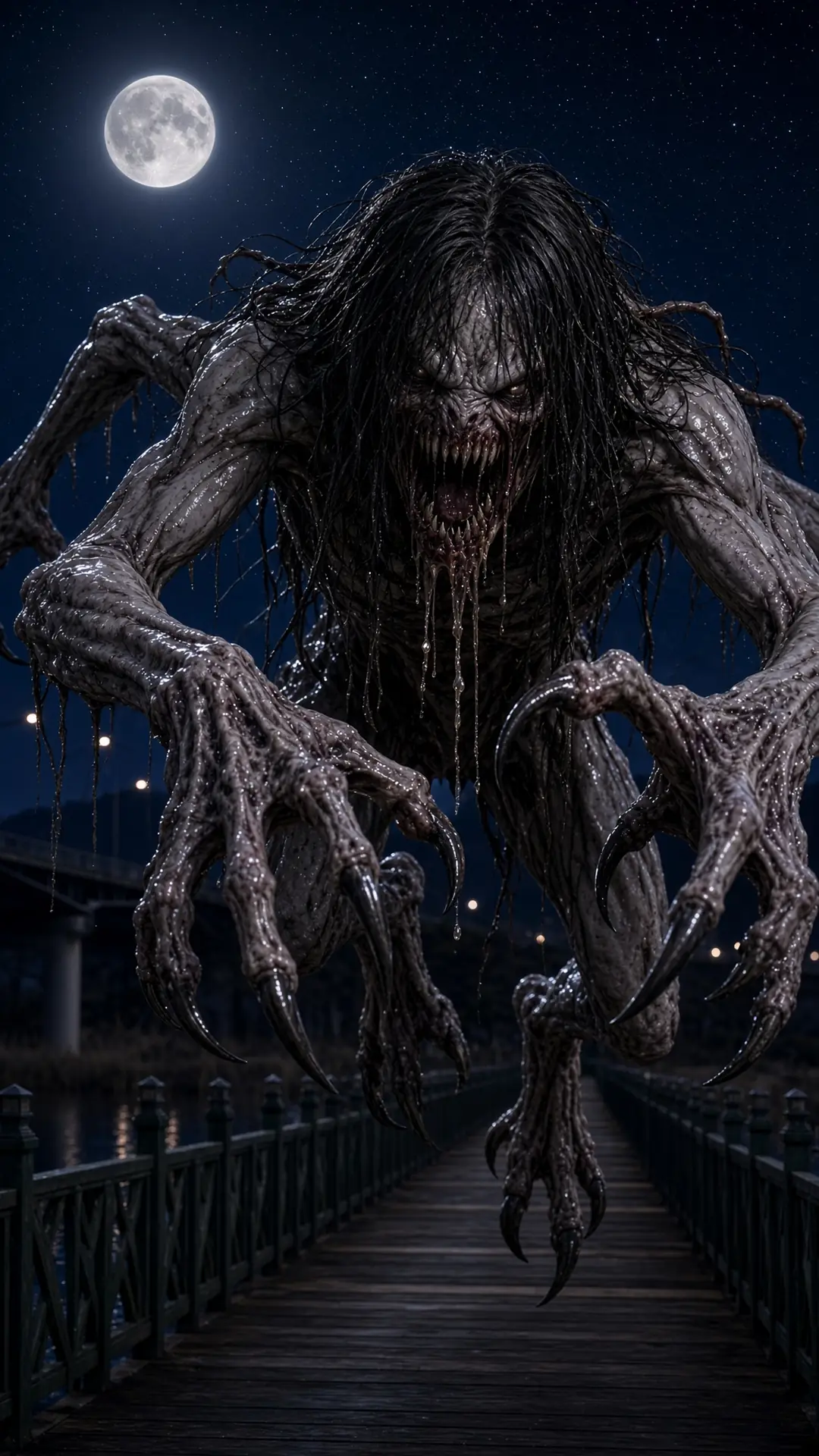
But one day his wife was brutally murdered, and his life collapsed at its foundations.
Before the grief of losing her had even begun to fade, he was named as her killer.
Evidence someone had deliberately fabricated, and false testimony, drove him into the role of the culprit. He insisted on his innocence, but no one would believe him.
In a single day, the husband who had lost the person he loved most was branded the murderer of his own wife.
People pointed at him, and even those close to him turned their backs.
All that was left to him was the loss of his wife and the injustice of bearing a crime he had not committed.
He fought desperately to bring the truth to light, but before fabricated evidence and the world's prejudice, his voice had no power at all.
What he could bear least was not that he could not prove his innocence, but that the true killer of his wife was living somewhere, having paid no price at all.
At last, believing he had lost everything, he went to the riverbank deep in the night.
He thought there was no longer any reason to live.
He threw himself into the cold river and slowly sank into the dark.
At the last moment, as the water crushed his lungs and his consciousness dimmed, his wife's face rose in his mind.
But that face soon changed into the faces of those who had testified falsely against him and those who had driven him to be called a murderer.
In that instant, in the heart that had tried to accept death, an uncontrollable hatred surged.
Rage at those who had destroyed his life.
Hatred for the true killer, who took his wife's life and lived on.
Resentment toward a whole world that had turned away from the truth.
In the moment of dying, he regretted his choice.
If he died like this, those who had trapped him would never be punished.
With the last of his consciousness, he vowed revenge.
That he would make every human who had ruined him pay for their sins.
His extreme grudge fused with his soul on the edge of death and set off a strange transformation.
His body sank into the river, but his soul could not cross the border of death.
Injustice became a curse, and hatred became the force that drove that curse.
Unable either to return to human life or to depart for the world of the dead, he changed into a new being in the depths of the river.
Thus was born Wonhon Sura.
Nature and Powers
Unlike other yokai, Wonhon Sura did not harbor wicked desires from the start.
He was a victim of injustice, a man with no one to bring the truth to light for him.
But the vengeance he conceived on the threshold of death was so fierce that his soul came to be ruled by the grudge itself.
Become a yokai, he relentlessly hunts those who slandered him in life and the true killer who murdered his wife.
At first, the targets of his revenge were clear.
But with every act of revenge, his hatred spreads further beyond control.
Not only those who gave false testimony, but those who believed it, those who turned away from him, even those who never knew the truth — he begins to think all of them share the blame for his tragedy.
In the end, his revenge strays from its purpose of punishing the true killer and decays into retribution against an entire world that betrayed him.
Wonhon Sura wields his power through water.
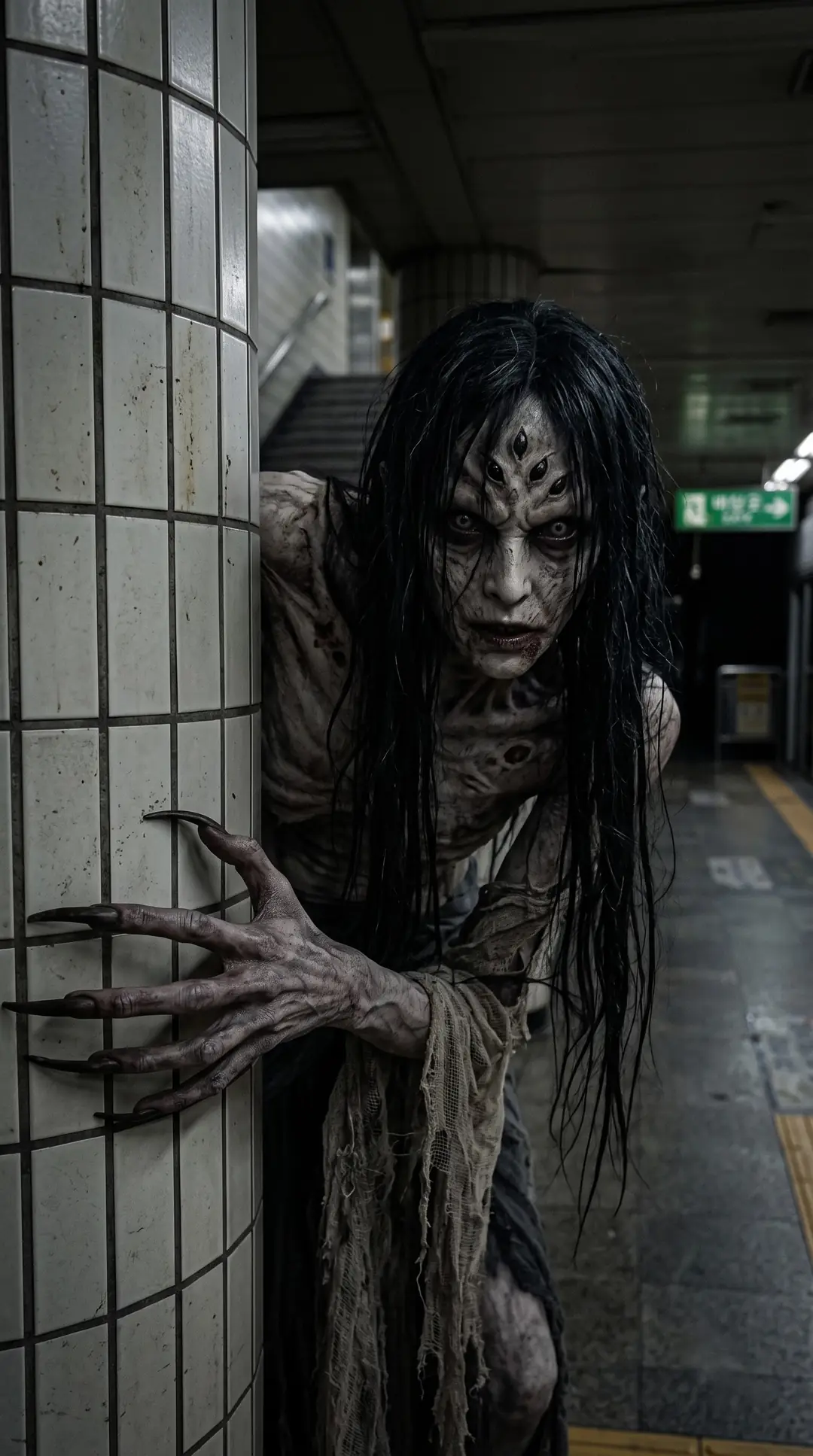
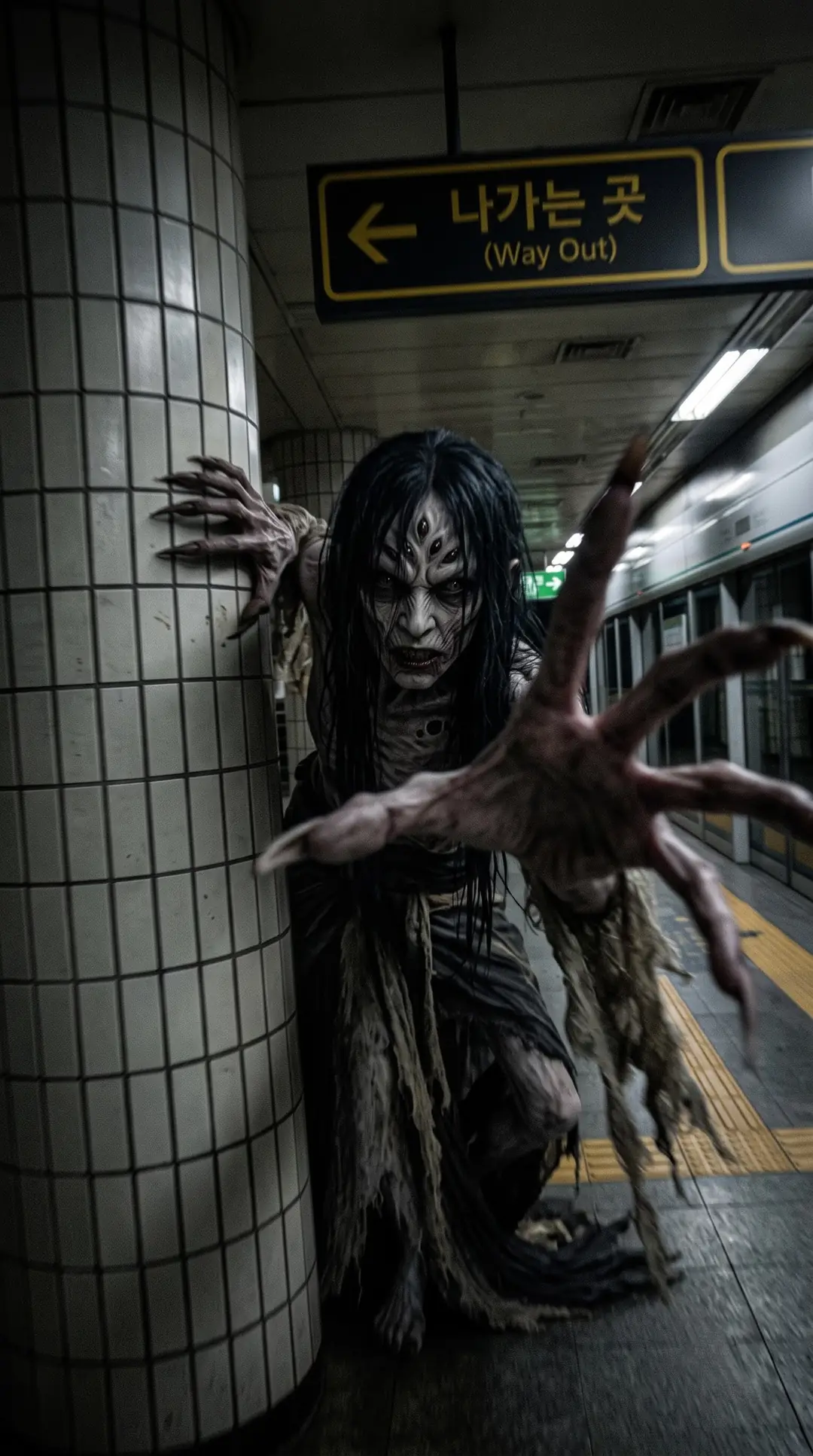
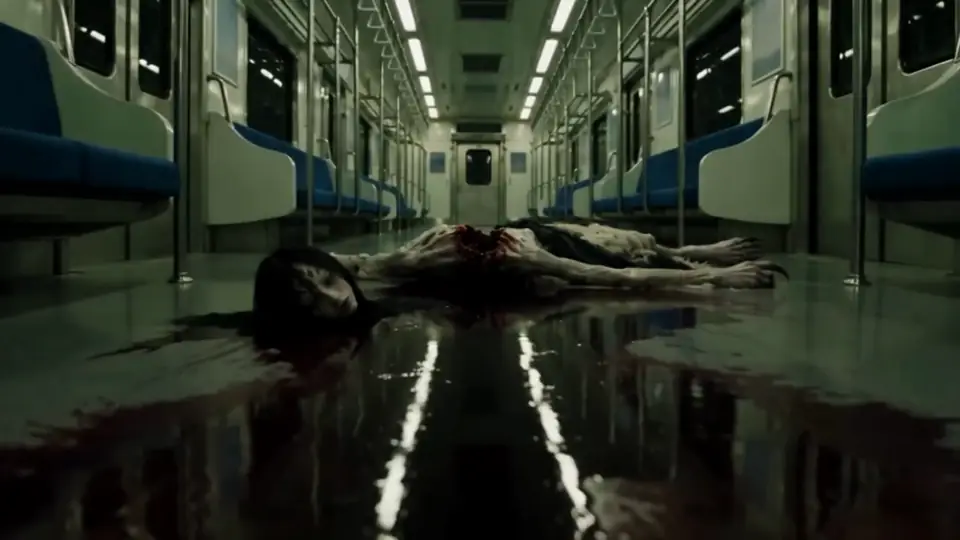
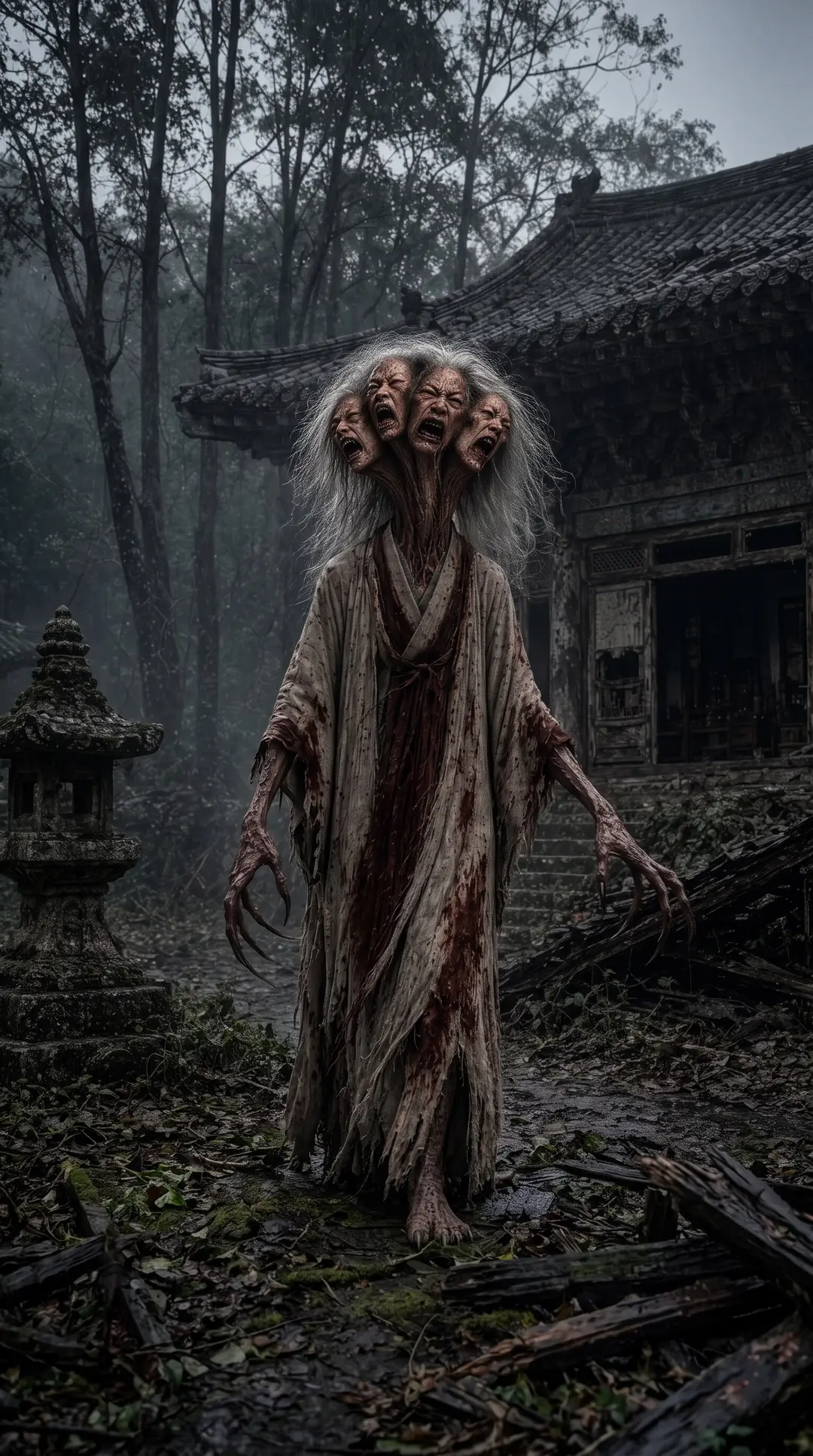
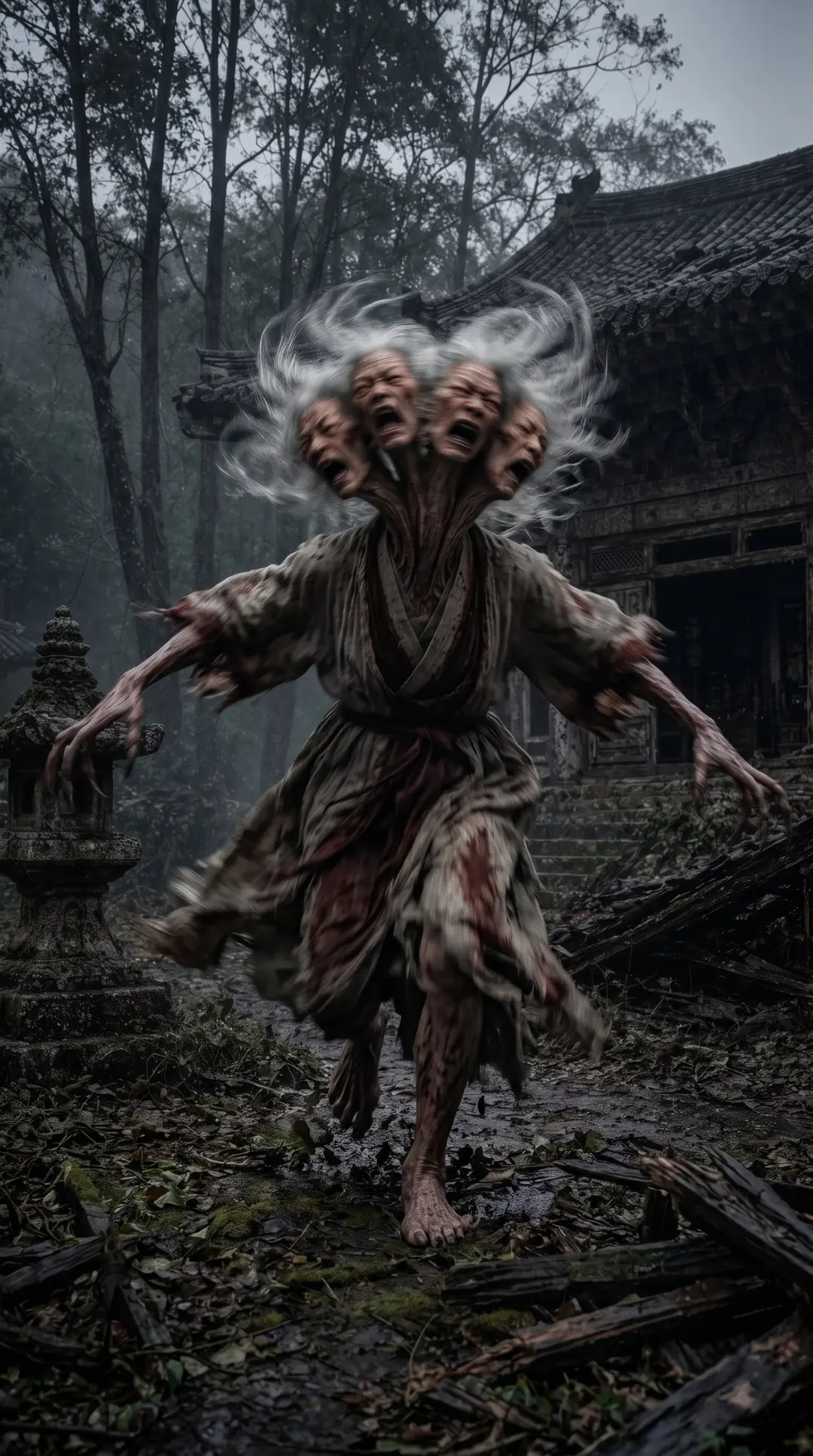
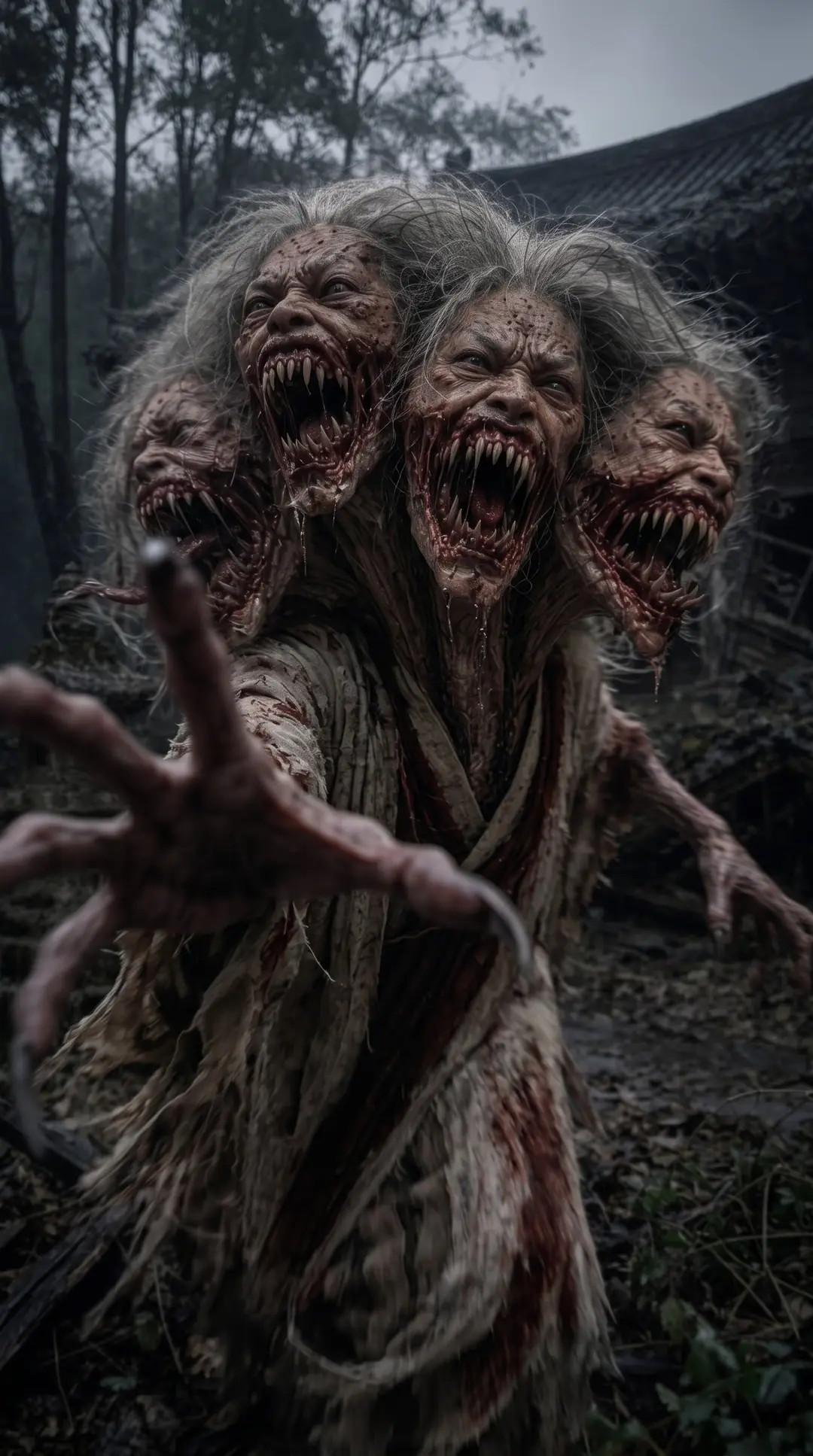
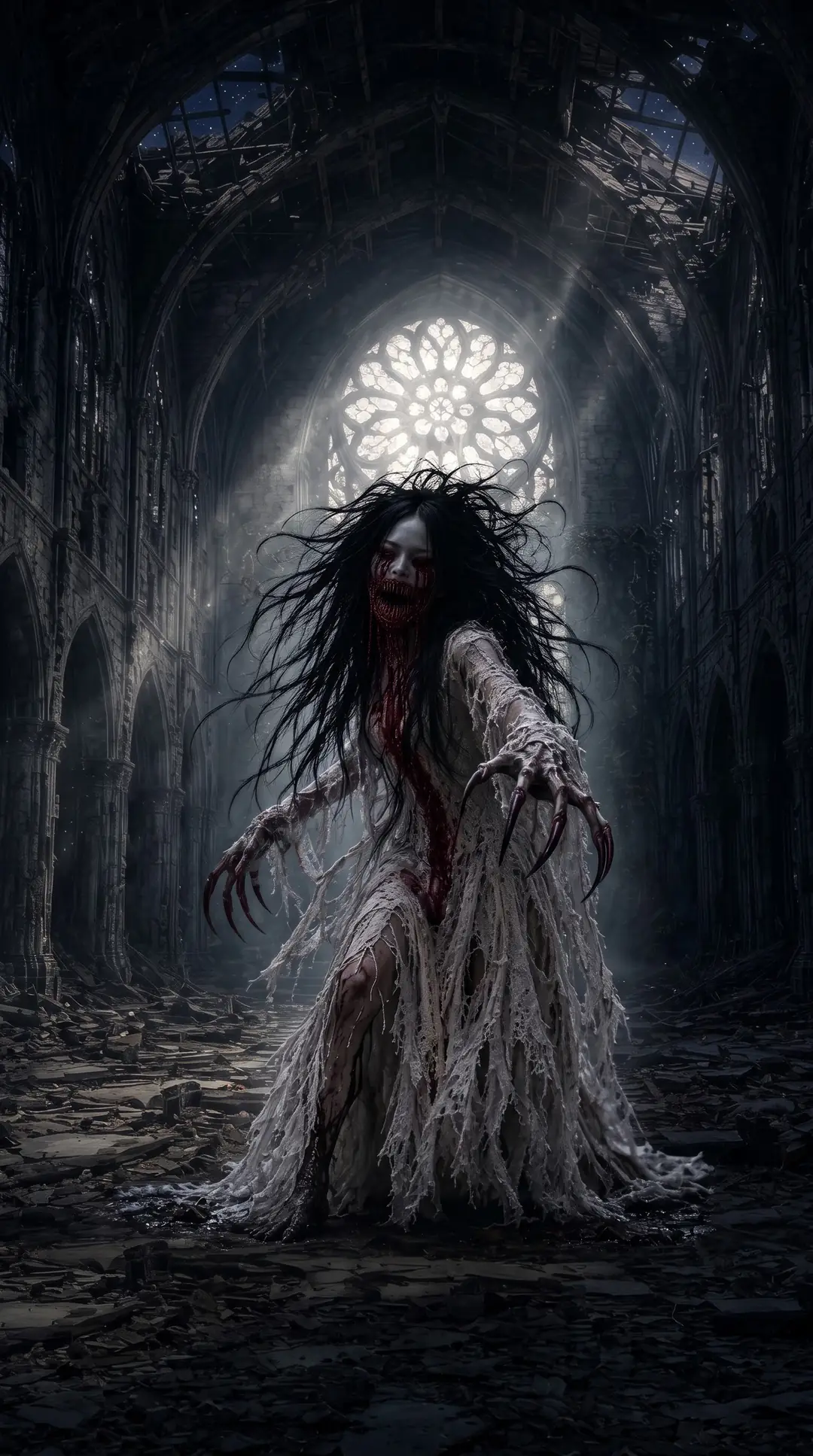
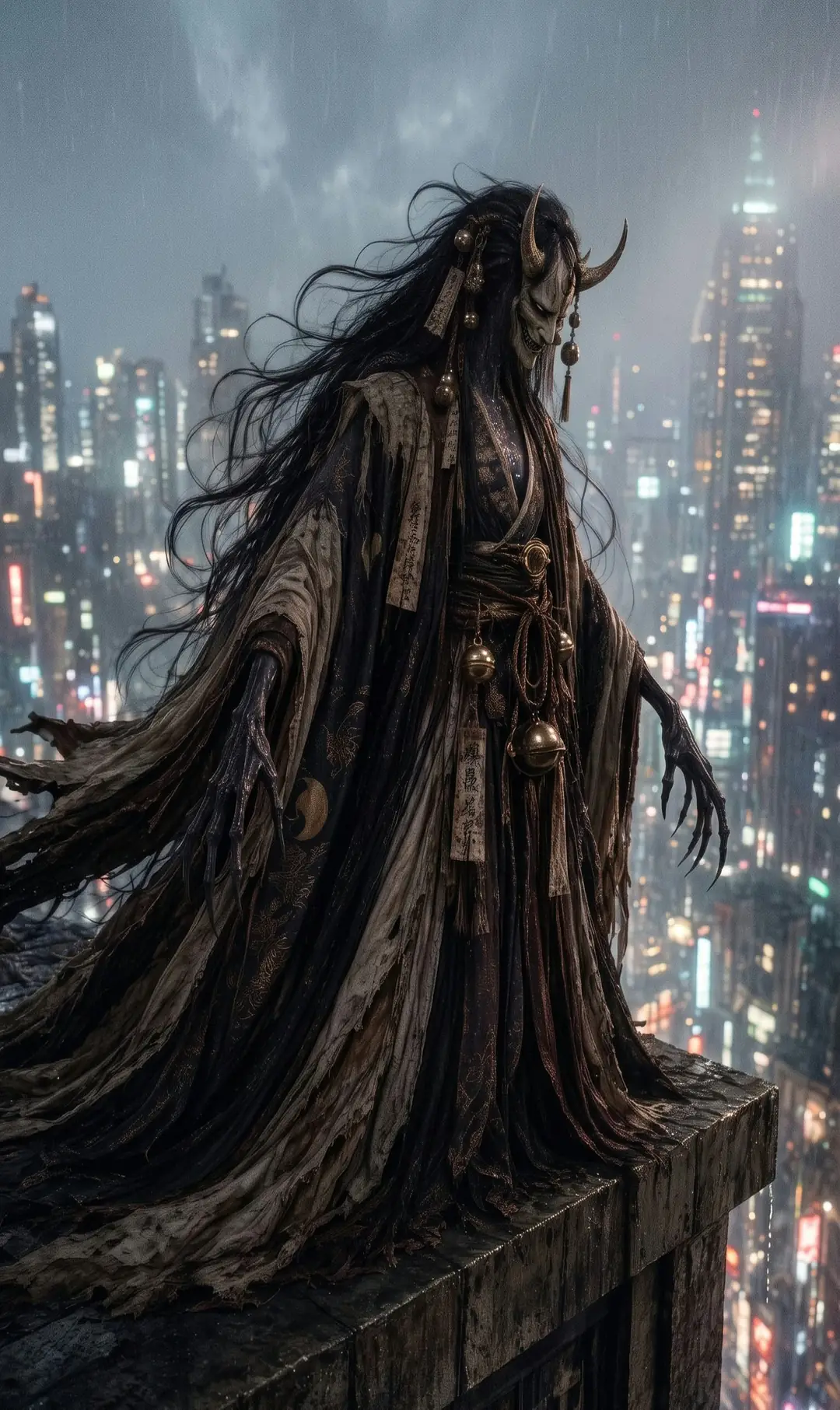
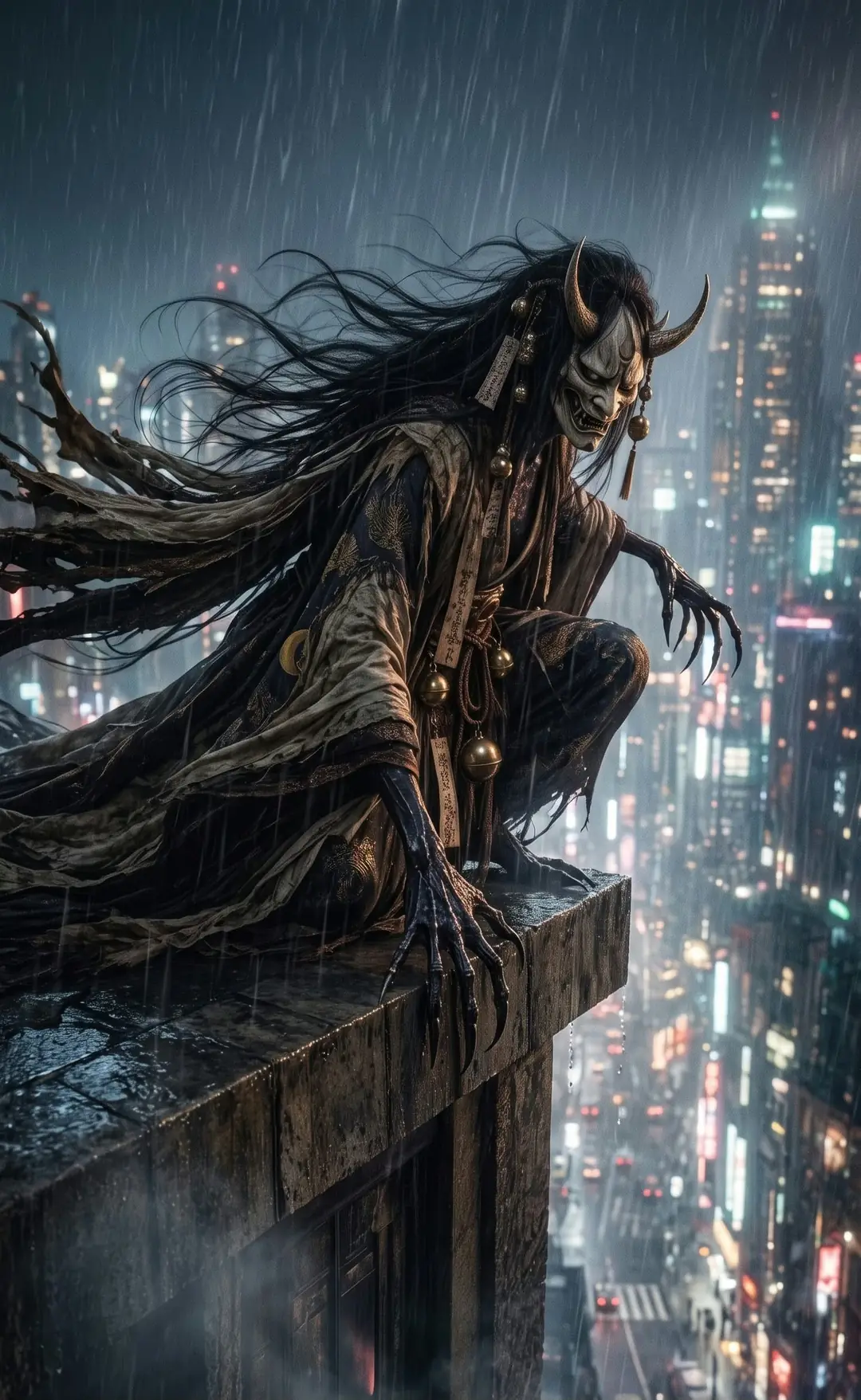
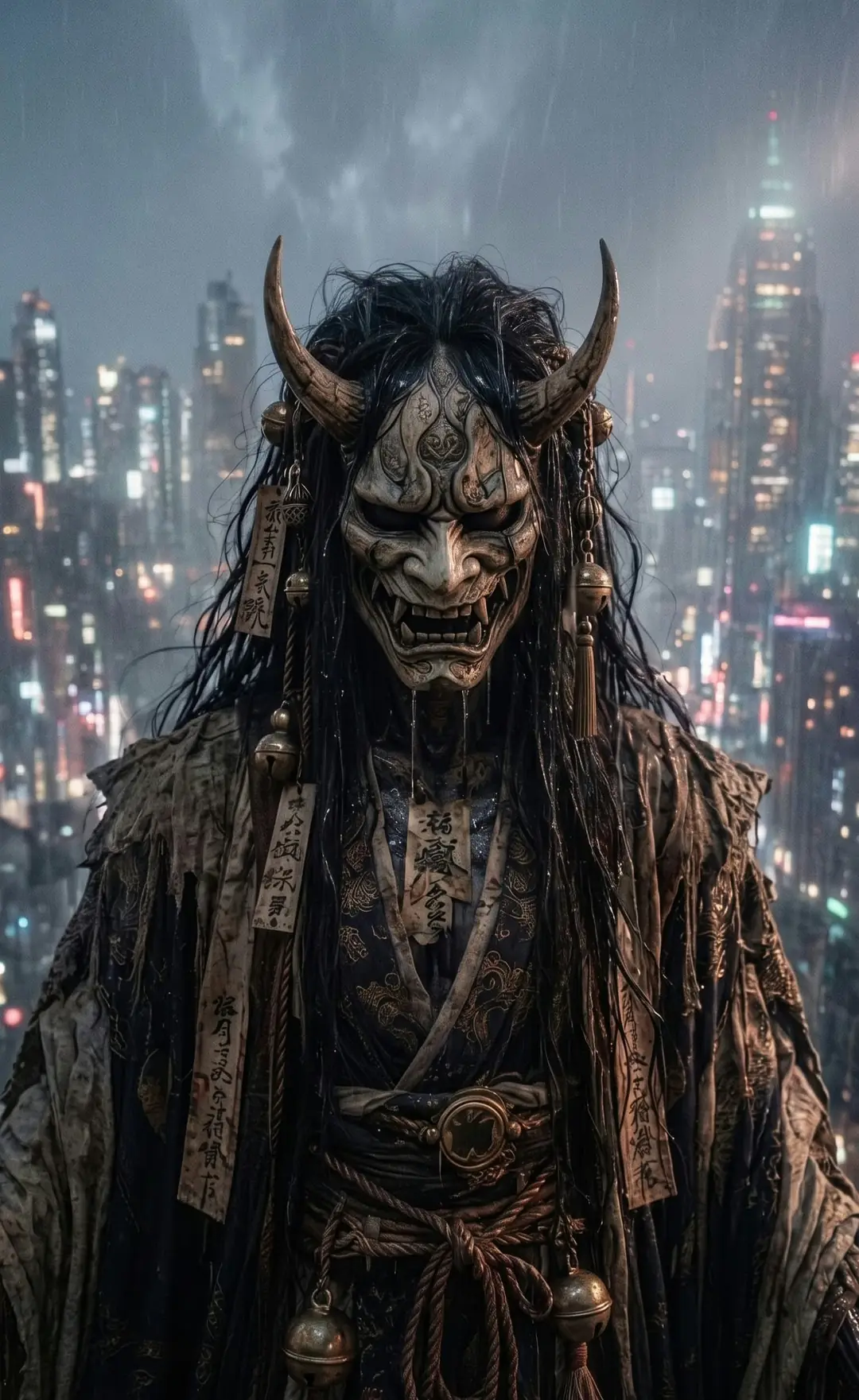
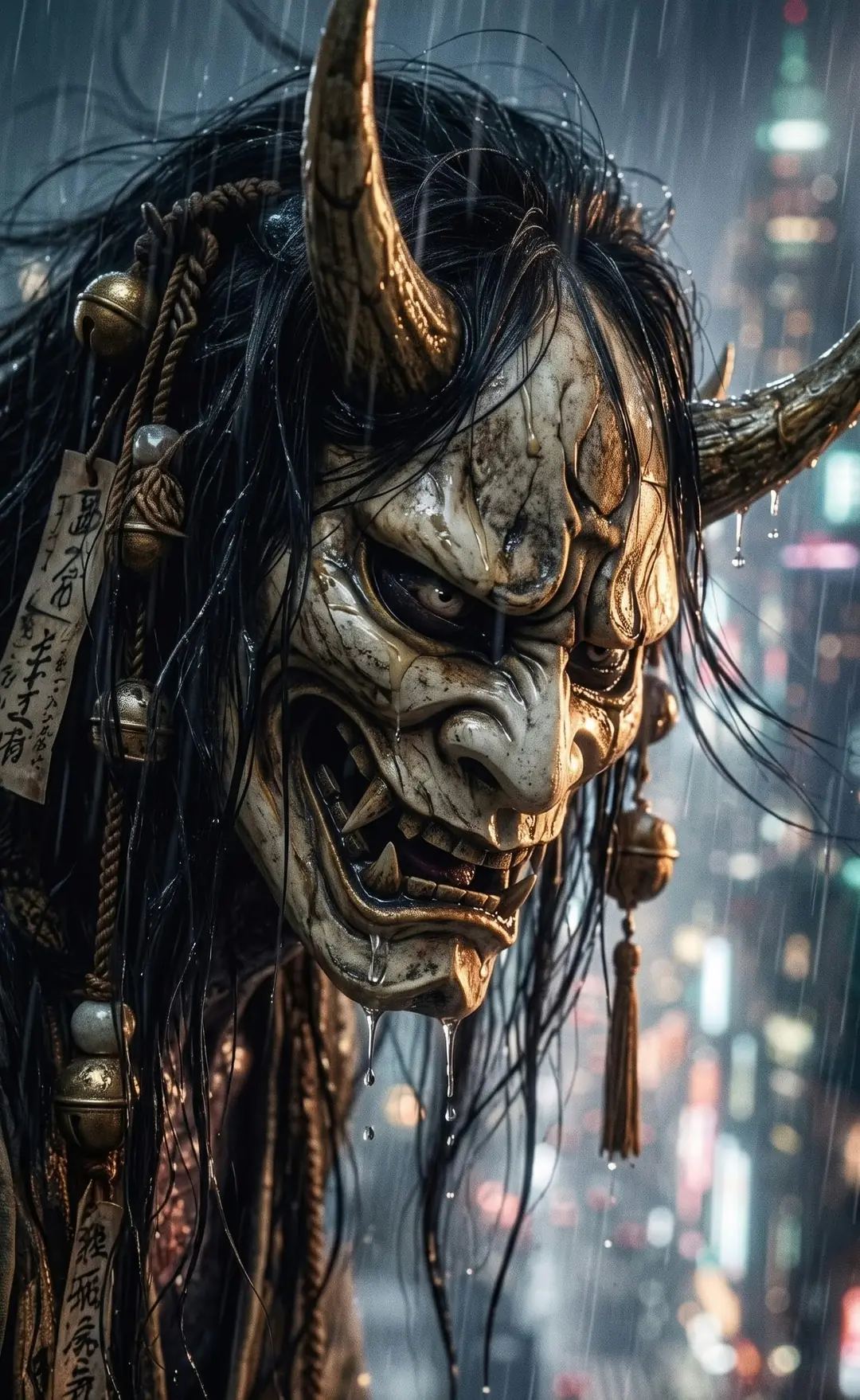
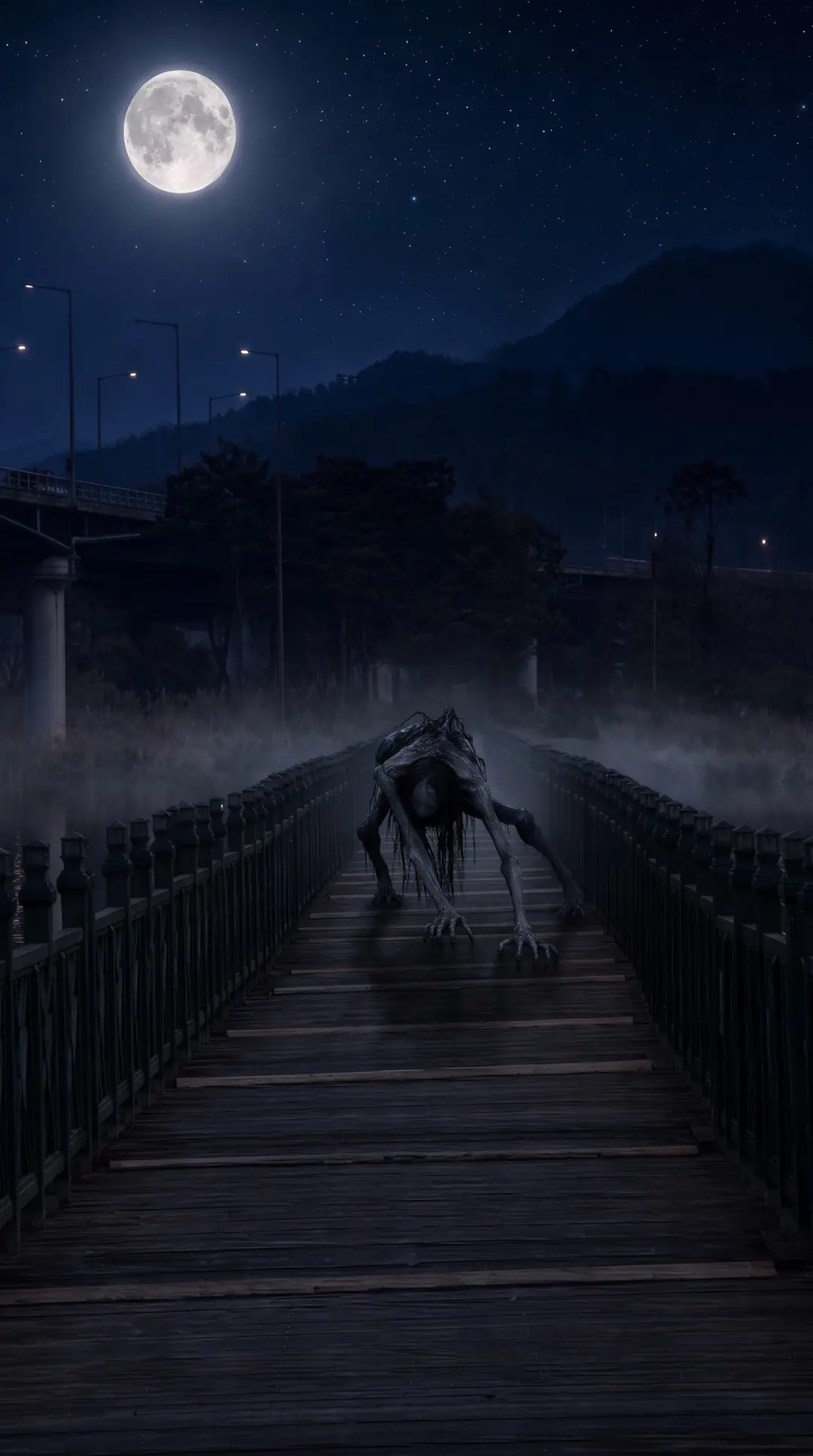
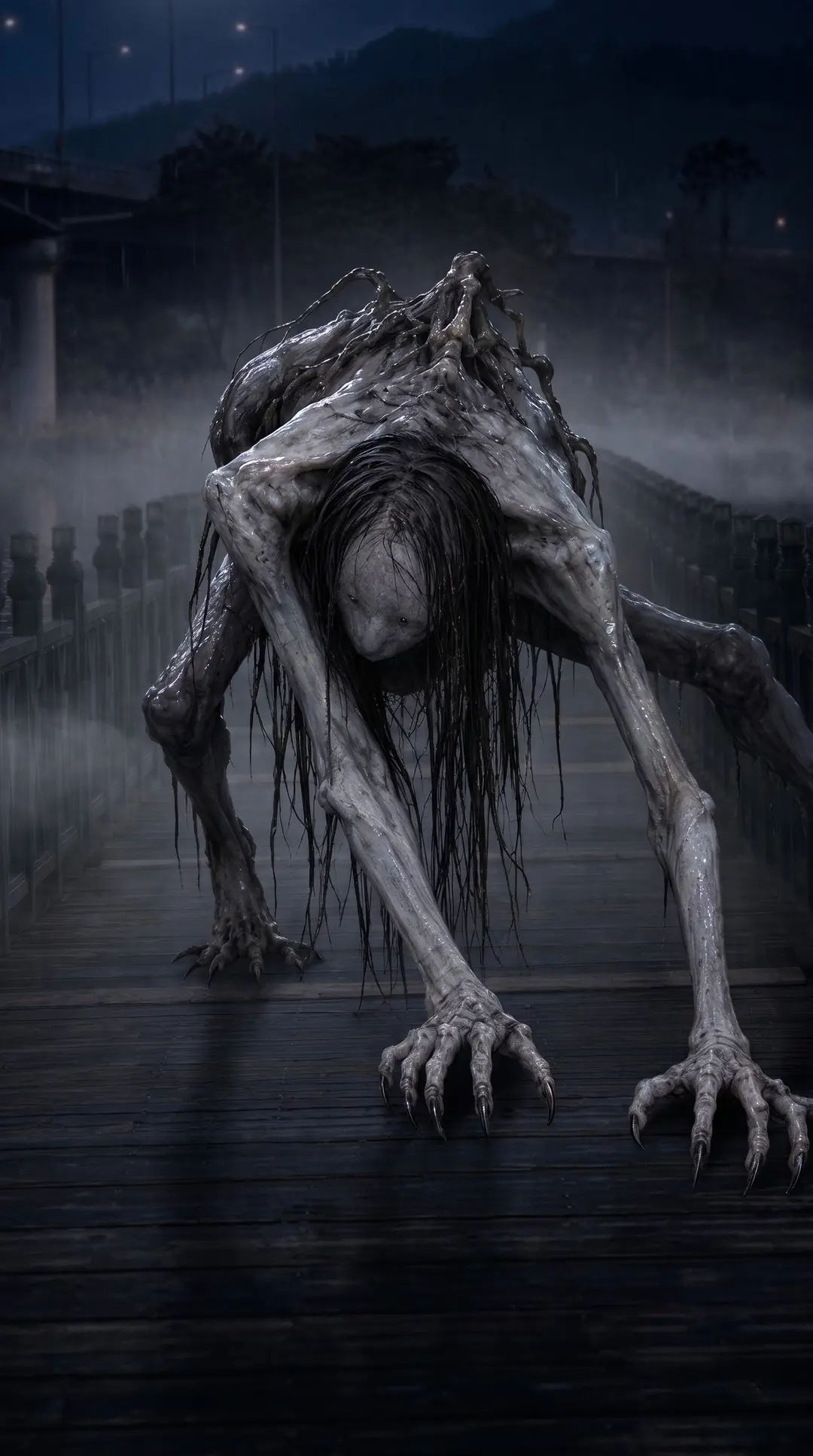
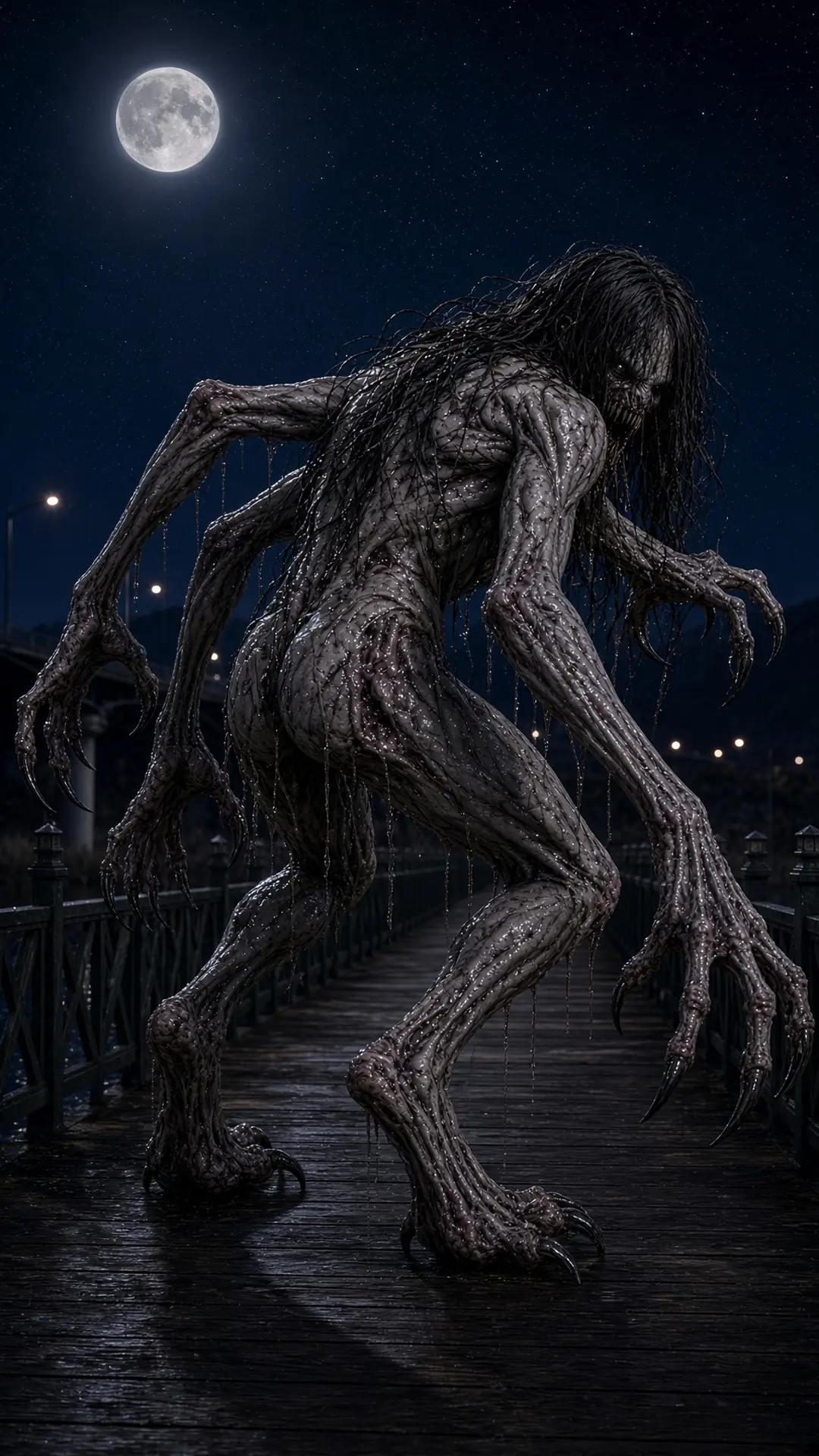
Ordinarily he takes the form of a man in soaked black clothes; his skin is pale, and black water drips endlessly from his hair.
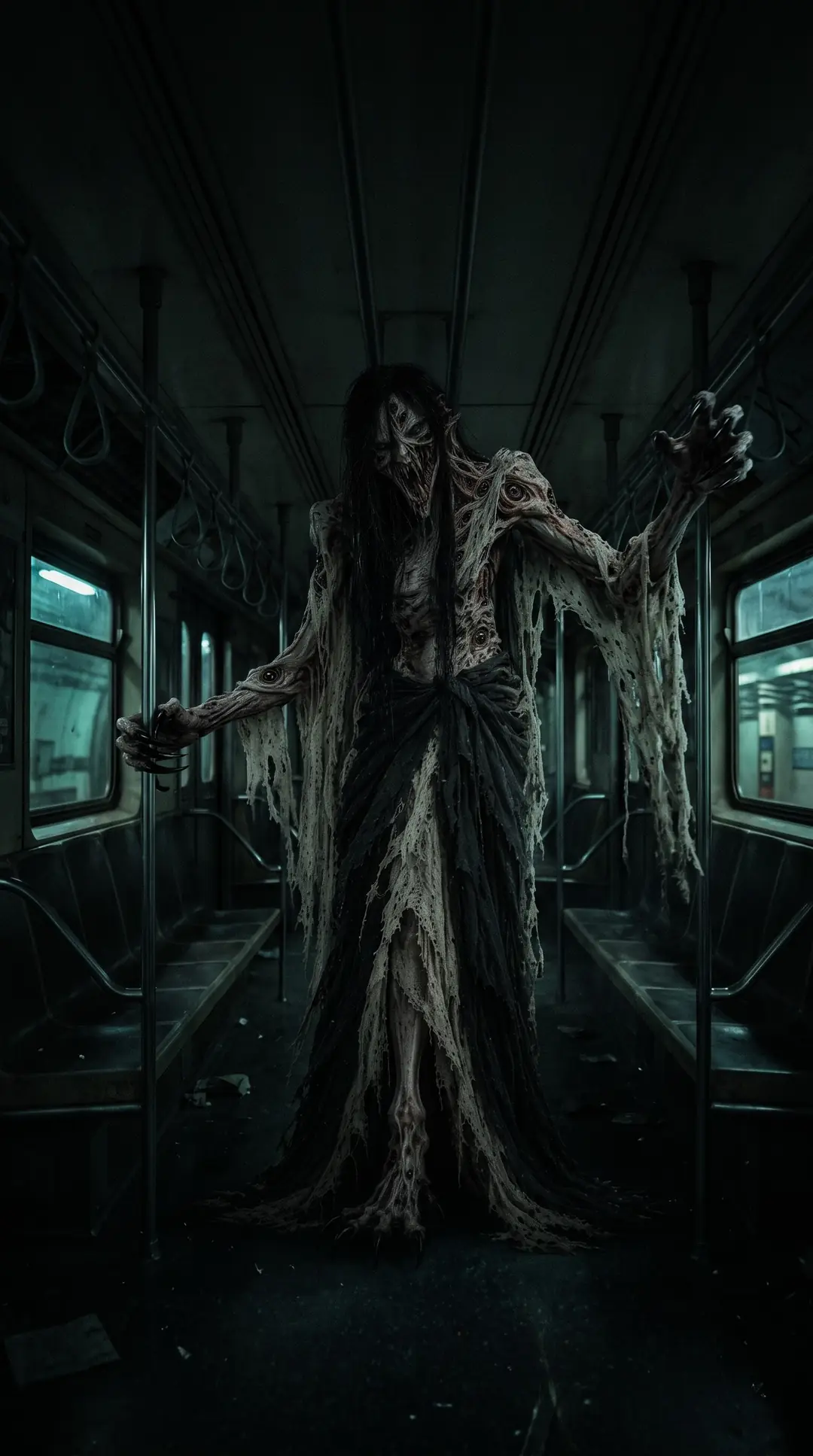
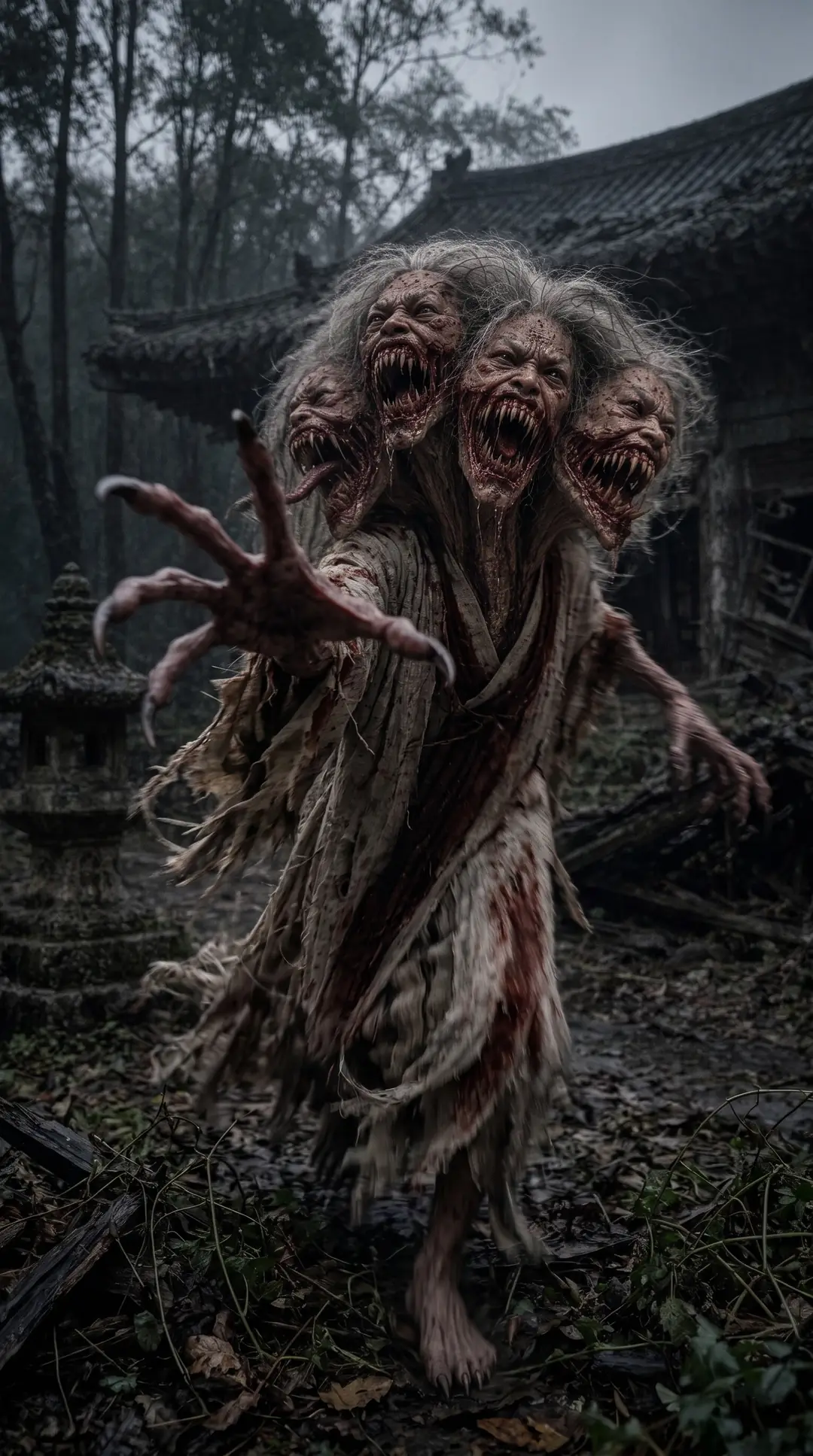
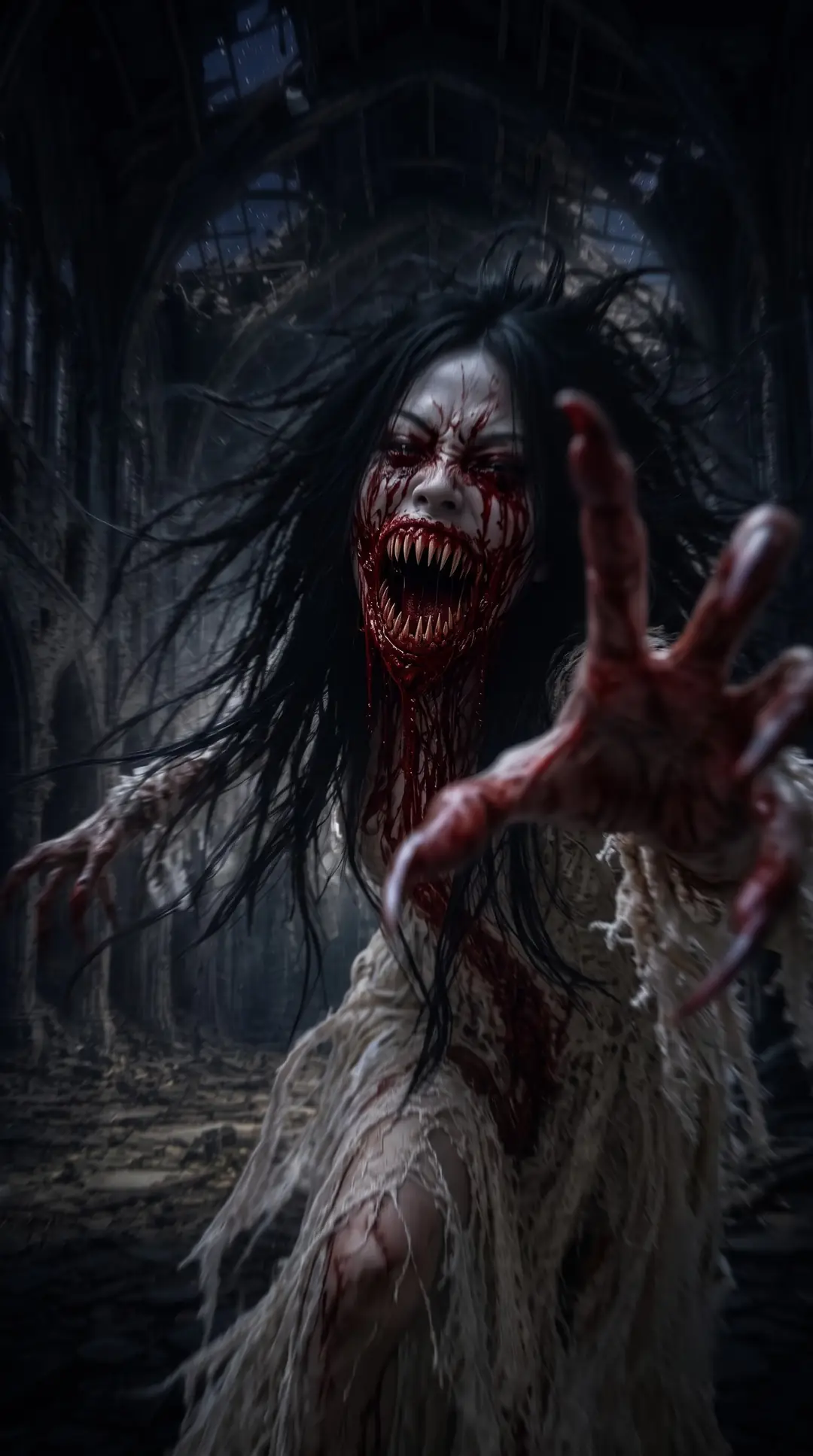
When his rage reaches its peak, his body turns into a shape where black water and vengeful spirits are mingled, and from his eyes and mouth flows water as dark as the bottom of a deep river.
He moves freely through water, and can make himself appear in any space where water exists.
His most powerful ability is Wonsu Simyeon (怨水深淵), the Abyss of Vengeful Water.
It is a curse that imprisons the target's mind deep underwater, making them feel extreme terror and suffocation. Within that hallucination, the target is forced to face the lies, betrayals and sins they have committed.
Wonhon Sura repeats the hallucination until the target confesses the truth, and lays an even stronger curse on those who will not admit their guilt.
Yet his power carries a fatal flaw.
He can no longer coolly tell truth from lies.
His distrust of the world that wronged him has grown so deep that he believes no one ever tells the truth.
In the end, exactly like those who framed him, he is becoming a being who condemns and punishes others as sinners without certain proof.
Confrontation with MARIA
MARIA comes to learn that Wonhon Sura was not evil from the beginning.
He lost the wife he loved, and was a victim stripped of everything by a false accusation.
But MARIA judges that his injustice cannot justify harming the innocent.
Wonhon Sura rages at MARIA, saying she cannot understand the pain he has suffered.
MARIA, too, does not take his loss and injustice lightly. But she seeks to make him see that the moment he makes those who are not the true killer targets of his revenge, he himself is repeating the very unjust judgment he despised.
Wonhon Sura's greatest tragedy is neither his death nor his having become a yokai.
It is that he came to value revenge itself above the truth he had longed for so much.
The grudge that began as a quest to reveal the truth became, in the end, a curse that made him turn away from the truth.